
Big changes in the remediation space don't come around often. When they do, we get to work digging into the details so you don't have to.
Confirmed in the King's Speech on 13 May 2026, the new Remediation Bill represents the most significant piece of building safety legislation since the Building Safety Act 2022. For thousands of people living in buildings with unsafe cladding across England & Wales, progress has been painfully, unacceptably slow. Out of approximately 4,300 buildings identified as needing remediation, only around a third have had the work completed as of early 2026 (Inside Housing).
This has been the backdrop against which the Remediation Bill has arrived. For freeholders, leaseholders, RTM companies (as well as those already working in the space), it changes things considerably. And, as always, we're here to break down the details in plain English, to get you up to speed on what these changes mean for you and your project.

Above: With thousands of residential buildings across England and Wales still awaiting remediation, the pressure to act is now backed by law.
The Deadlines: What They Are and Who They Apply To
One of the most significant changes introduced by the Remediation Bill is one that every building owner, leaseholder, and property manager needs to have on their radar: statutory deadlines for the completion of cladding remediation works. In short, there are now fixed dates for remediation in law, and they are closer than you might think.
Buildings over 18 metres must now be remediated by the 31st December 2029. Whereas, buildings between 11-18 metres in height must be remediated by 2031 (Construction News).
If you are responsible for a remediation project, these deadlines require your full attention, because missing them without good reason also now carries serious consequences: unlimited fines or, in the most serious cases, criminal prosecution and imprisonment.
The Government's position is clear: avoiding this issue is no longer an option.
A New Legal Duty To Remediate
As we’ve just touched on, beyond the deadlines, the Bill introduces something that did not previously exist in law. That is, a formal legal duty has now been placed on those responsible for a building to identify, assess, and fix unsafe cladding without delay.
Until now, enforcement has been patchy at best. Without the sanctions needed to compel action, those determined to delay or ignore their responsibilities have largely been able to do so. This new duty changes that and gives regulators the powers to back it up. Having seen the real impact of unsafe cladding on leaseholders up and down the country, we're glad to see it being taken seriously.
Speaking of leaseholders, this aspect of the bill matters because it shifts the burden clearly onto building owners. The legal obligation to act is theirs, not yours. If your building owner is not moving, the Bill gives regulators significantly stronger powers to compel them to do so.
As for building owners and property managers, it means the question is no longer whether to remediate, but when, and how quickly you can get the process moving.
Mandatory PAS 9980 Surveys: What This Means In Practice
One of the more technical changes in the Bill concerns how external wall assessments must be carried out.
The Bill makes it a legal requirement for fire risk appraisals of external walls to follow the PAS 9980 framework. Now, this is something our clients (and those who follow our LinkedIn) will already know well, as it underpins every Government-funded remediation programme we work on. The difference now is that it's no longer best practice. It's the law.
So, for those who may be unfamiliar, what exactly is PAS 9980? Well, it’s the industry standard for assessing the fire risk of external wall systems on residential buildings. It provides a structured, evidence-based methodology for determining whether a building's cladding poses a risk. And, if so, what needs to be done about it. A FRAEW (Fire Risk Appraisal of External Wall) survey carried out under PAS 9980 is the document that kicks off the formal remediation journey.
Making this mandatory nationally does two important things. First, it removes the inconsistency that has hampered many buildings. Different assessors using different methodologies, producing different outcomes, have caused significant delays to projects. Second, it means that any building that has not yet had a PAS 9980-compliant survey now has a clear, legally mandated starting point.
If your building has not yet had a FRAEW survey, that’s where the journey must begin.
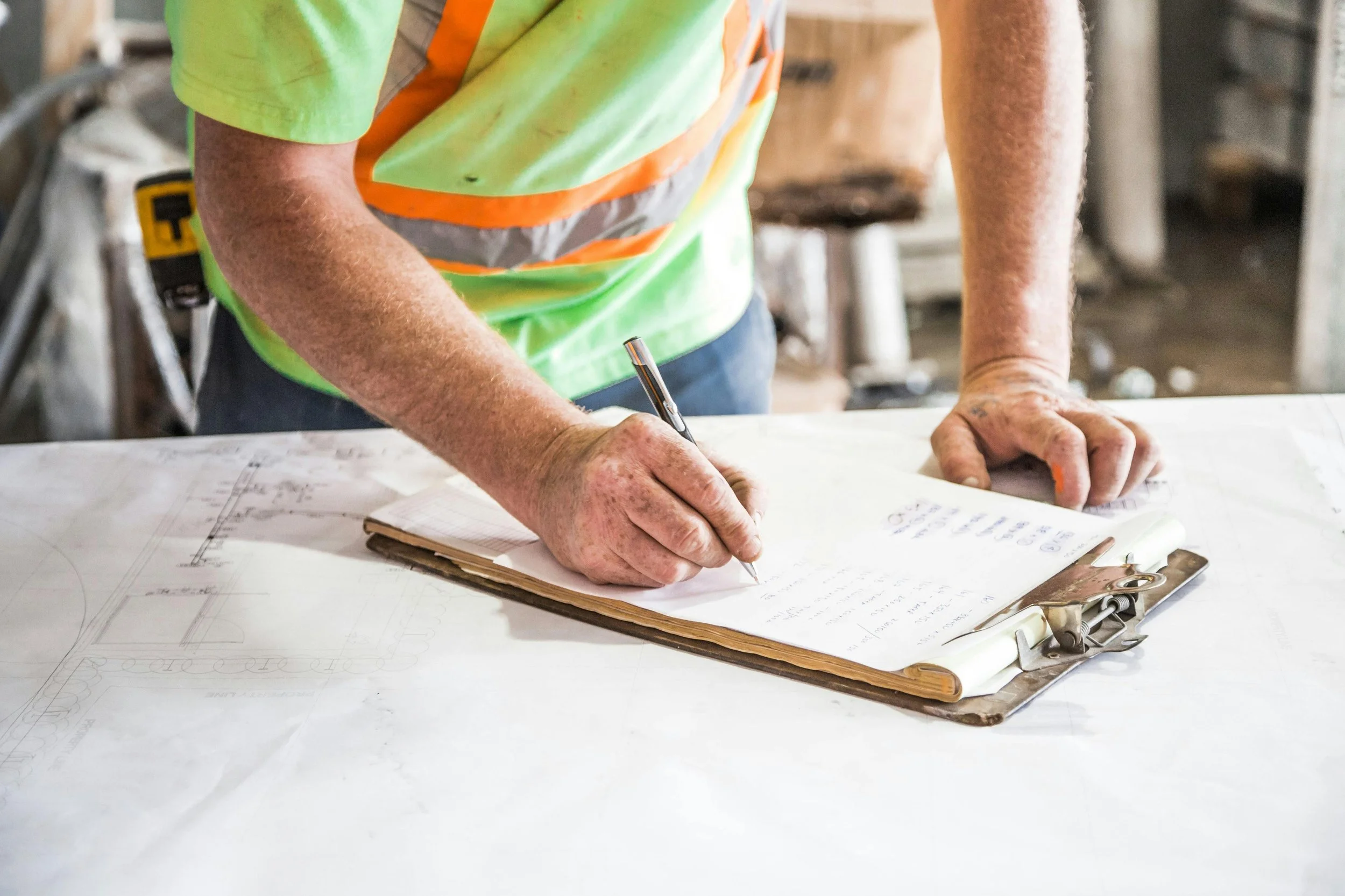
Above: Under the Remediation Bill, PAS 9980-compliant FRAEW surveys are no longer best practice, they're a legal requirement.
Who pays? The Shift In Manufacturer Liability
The question of who actually pays for remediation has been a contentious one for years. The Bill now has an answer, and it points firmly at construction product manufacturers.
To date, developers and contractors who funded remediation work have faced serious legal barriers when attempting to pursue the manufacturers whose products were responsible for the problem in the first place. Those barriers are now being removed.
The Bill simplifies the statutory claims process under the Building Safety Act 2022, making it possible for those who have paid for remediation to pursue manufacturers for their share of the cost. Regulators will also gain the power to sanction companies that obstruct this process.
For leaseholders, the practical impact of this is indirect, but nevertheless important. It strengthens the principle that those who caused the cladding crisis should bear the cost of fixing it (and not the people who simply bought a flat).
For contractors and developers who have already funded remediation work out of their own pocket, it creates a genuine legal route to cost recovery that previously did not exist.
The Remediation Backstop: What Happens If An Owner Still Refuses To Act
The Bill has also introduced a mechanism that represents perhaps its most powerful enforcement tool: the remediation backstop.
Under this provision, a third party (such as Homes England or a local authority) can step in and carry out remediation works themselves when a responsible party has failed to do so. That third party can then recover its costs from the building owner, and if necessary, pursue the sale of the owner's interest in the building to do so.
For leaseholders living in buildings whose owners have been unresponsive or obstructive, this is incredibly powerful. It means there is now a statutory route to remediation even where the person responsible has been determined to block it.
For building owners, it reinforces the case for engaging with the remediation process proactively.
The 11- 18 Metre Register
The Bill will also create a national register of all residential buildings between 11 and 18 metres in height that require cladding remediation. This addresses a genuine gap in the current picture.
While taller buildings have been subject to closer regulatory scrutiny, the medium-rise category has been harder to track systematically. The register gives regulators a clearer view of the full scale of the problem, and gives building owners in this category formal notice that their building is on the regulatory map.
If your building falls within this height range and remediation has not yet begun, now is the time to understand your position.
What The Bill Gets Right & Where Questions Remain
In our view, the Remediation Bill is welcome news. Statutory deadlines, stronger enforcement, mandatory survey standards, and genuine manufacturer accountability are all long overdue.
But it’s still worth being honest about where questions remain.
The Bill has set hard deadlines without fully accounting for the capacity constraints that exist in the sector. After years of working day in, day out on remediation projects, we know that experienced contractors in this space are limited. Supply chains for compliant materials are already under pressure. And the regulatory process that must precede any works (the surveys, funding applications, design team appointments, and Gateway approvals) takes time.
While this should not dampen your confidence in the Bill, it should sharpen the case for starting early and working with partners who understand the full complexity of what remediation actually involves.
What This Means For Your Next Step
Whether you are a leaseholder trying to understand what the Bill means for your building, a building owner working out where to begin, or an industry professional navigating an increasingly complex regulatory landscape, the direction of travel is now clear.
The buildings that will meet the 2029 and 2031 deadlines are those whose owners and managers begin now. The process, from initial FRAEW survey through to Government funding, contractor procurement, on-site works, and final EWS1 certification, takes time. Starting early is not just advisable. Under the new legal framework, it is increasingly a matter of legal obligation.
At Archway FM, we manage this entire journey for freeholders, leaseholders, RTMs, and construction companies taking on remediation works. To date, we’ve secured over £120 million in Cladding Safety Scheme funding across our projects, with a 100% success rate on eligible applications, and have established a solid contractor framework built on years of working in the remediation industry.
If you want to understand where your building stands under the Remediation Bill, we are happy to have that conversation. Just call us on 0207 683 3701 or click here.