
What Happens Next? The BSR’s Plan to Tackle the Cladding Backlog Explained
Above: The Building Safety Regulator has recently shared an improvement plan aimed at reducing remediation approval timelines.
If you’re currently navigating a cladding remediation project in the UK, you’ve likely seen the recent surge in news around the Building Safety Regulator’s (BSR) plans to tackle the growing backlog across England.
While this is certainly a positive step for those living in unsafe and un-mortgageable buildings across the country, we recognise that it may also raise some questions about what exactly it means for your project. We’re here to break down the BSR’s plan, explain what it means for you, wherever you are in your cladding remediation journey (even if you’ve yet to start), and give you the clarity on what you can expect moving forward.
Understanding the BSR’s Plan to Tackle the Remediation Backlog
This month (April 2026), GOV.UK published a story on the BSR’s remediation improvement plan. As they explain, their goal is to tackle the backlog of remediation projects awaiting approval to begin on-site.
In an effort to achieve this, they have expanded recruitment to help reduce the caseloads of their assessors, taking what was an average of 25 caseloads per assessor, down to a much more manageable 10. They have also introduced flexible approvals, or as they refer to them, ‘approval with requirements’. This allows projects to start safely while work continues to resolve any distinct technical problems that may have previously held the process up. To learn more about the improvement plan, you can visit the GOV website here.
Ultimately, it’s clear that this push for a more streamlined, efficient approvals process is being taken very seriously by regulators. Construction News even reported that they aim to reduce the timeline for approvals to under 12 weeks by December, 2026. This would mark a significant decrease in the latest reported approval times of around 36 weeks. However, with 299 live cases still awaiting a decision as of last month, the backlog remains substantial, so while the intent is clear, it may take time before the full impact of these changes is felt, particularly for projects that have just entered the system.
What This Means For You
If you haven’t yet started your remediation project, expect:
A clearer, more structured path forward: It’s likely that anyone starting out on a new cladding project can expect a clearer, more well-defined journey towards remediation. However, this also means that it’s likely that the process may become more strict in terms of timelines and documentation required. It’s important that you think ahead and gather what you’ll need in advance (but more on that later).
Greater urgency from regulators: With the push to reduce the backlog, there’s likely to be more of an expectation for any documents to be prepared and ready to go, allowing approvals to move more efficiently. So, it’s important to have the right advice that will allow you to check that all your documents and applications are completed correctly, to avoid unnecessary delays.
Funding will remain a crucial first step: While funding has always been one of the first, and most crucial steps in the remediation process, with these new developments, its importance has only grown. Now, any delays caused by incomplete or incorrect applications will have a direct effect on your project timeline. Securing your Cladding Safety Scheme (CSS) funding early will play a key role in determining how quickly your project can move forward.
Greater demand for specialist support: It’s likely that this news will reignite plans for many who have previously delayed remediation projects. As activity increases, specialist consultants and contractors responsible for carrying out surveys and on-site works may book up quickly, especially in areas like London. Given how important it is to have the right remediation team in place, it’s best to start researching early. After all, the team you appoint will guide the strategy, support survey work and help to ensure your project is set up for success from day one. This is something we specialise in at Archway FM, supporting our clients throughout the entire journey, helping to secure government funding on their behalf and putting the right project teams in place to take your building from uncertainty to safety. If you would like to know more, simply click here.
If your project has been delayed, or you’re midway through:
Potential for improved timelines: If you have already secured your team and have begun the application process, you may feel the benefit of these improved timelines. This should hopefully allow work to start on site sooner than expected, getting you closer to a safe, fully remediated building.
A greater need to stay aligned across your team: As your project pushes forward, it’s important that you ensure that your delivery team is aligned as things progress. Often with delayed projects, momentum can be lost while project teams regroup as approvals come through. Yet even with improved approval timelines, a disconnected team can still slow progress and create unnecessary delays.
At Archway FM, we manage this on our clients’ behalf. As their single point of contact, we keep them informed at every stage and ensure progress never slows. Even if awaiting approvals, we keep things running in the background, finalising plans, and ensuring the project team is ready to go as soon as we’re given the green light. Staying on top of this is essential. The last thing you want is avoidable delays standing in the way of returning your building to safety. If you’d like to learn more about how we keep projects moving, you can click here or visit our LinkedIn page.
Greater scrutiny on compliance & documentation: As the approval process speeds up, regulators will expect accuracy when it comes to applications and project updates. They’ll be looking for clear information, with less room for gaps or inconsistencies. It’s important to remain aware of what’s going on with your project and understand the information you may need to gather to ensure that it’s meeting all necessary compliance requirements.
Potential Risks While Clearing The Backlog
While the push to clear the backlog is a positive step, it’s important to consider what this may mean for your project in practice. As with any large-scale construction project, it’s important to consider the risks. After all, remediation doesn’t just need to move quickly, it needs to be carried out properly. With that in mind, there are some potential risks worth considering to ensure your project remains on track.
Lack of clear ownership across stakeholders: When projects resume after momentum may have halted due to a slow approvals process, delivery teams can become fragmented. This is especially true when multiple teams and consultants are involved across funding, surveys, and on-site work. Without clear ownership, the situation can quickly become chaotic. It’s important to understand who is responsible for each stage of the process. At Archway FM, we manage this completely on behalf of our clients, acting as the single point of contact from start to finish. This means they always have clarity on who to speak to and how the project is progressing.
Rushed or poorly coordinated projects: It’s safe to assume that once approvals start coming through, there will be a surge in remediation activity across England. This can place added pressure on delivery teams that may lead to details being missed or rushed. That’s why it’s crucial to have someone on hand that you can trust to break down the process and take the time to explain these evolving regulations. If your project has been delayed and you believe you may need additional help or to make changes to your team, you can always reach out for advice on 07788972641.
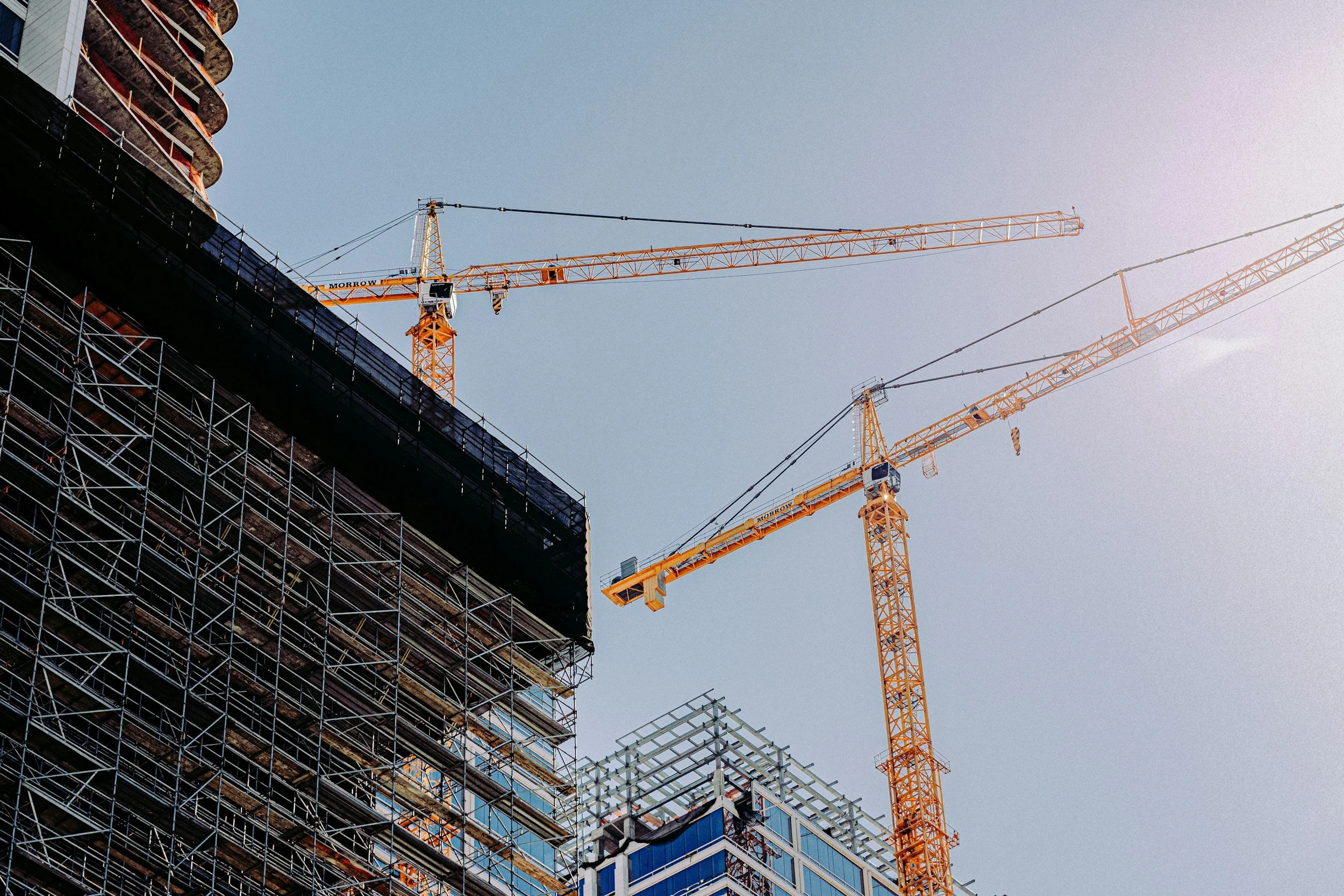
Above: As progress speeds up, keeping sight of potential risks is key.
How To Prepare
To maintain the progress of your project and reduce the potential risks (as noted above), here are a few key steps you can take to keep momentum on your side.
Step 1: Understand the Process
Understanding cladding remediation can be daunting, especially if you lack prior construction experience. However, there are plenty of resources out there to help explain the process, from funding guidance to understanding the ins and outs of the work that will need to be carried out onsite to get your building up to code.
It’s best to refer to trusted sources like the GOV.UKwebsite and look into information published by Homes England and the Building Safety Regulator. You can even get in touch with your local authority for more advice. Or, reach out to our team at Archway FM. We can offer a free consultation to help guide you on what to do next. We also update our social channels regularly with helpful posts breaking down the process, as well as sharing information on our Insights page.
Step 2: Research & Get Your Documents Together
Next, it’s time to start gathering your documents. These will usually include any existing fire risk assessments you have, EWS1 forms (if available), original drawings/plans of your building and any relevant inspection or maintenance records.
Once you have these in place, you can submit them to potential project partners and get ready for funding applications that may be coming up. Having these documents ready to go will prevent headaches down the line and reduces the risk of your project stalling.
According to GOV UK, around 40% of ongoing external remediation applications rely on government funding, and to apply for a CSS grant, these documents will be required. This is an area we’re experienced in at Archway FM, supporting clients through the funding process and managing applications on their behalf where needed. To date, we’ve successfully secured funding for 100% of the eligible projects we’ve supported.
If you’d find it helpful to explore this further, you can review our step-by-step guide on accessing government funding here, or get in touch with our team for a conversation.
Step 3: Look For Your Project Partner
Once you have a clear understanding of where your project sits and have gathered all the relevant plans and documents for your building (don’t worry, your project partner can help review this and flag anything that’s missing), it’s time to choose the right project team.
The early stages of a remediation project typically involve an on-site visual inspection, followed by a FRAEW report carried out in line with PAS 9980 guidance. Alongside this, government funding applications are usually submitted. At Archway FM, we guide our clients through each of these steps, even fronting any initial costs for surveys while funding is being secured.
When selecting a remediation partner, it’s important to look for proven experience. Ask for case studies, client testimonials, and ensure they hold the appropriate accreditations and insurances. This will give you confidence that your project is in safe hands.
While the BSR’s plan marks a clear step forward in tackling the remediation backlog, it doesn’t remove the need for careful planning and the right support. We hope this guide has brought you up to speed with the latest developments and given you an understanding of how they may come to impact your project. At Archway FM, we always do our best to keep our clients up to date with the latest industry news. If you, or someone you know, is currently facing a cladding remediation project and could benefit from our support (at no cost), please reach out to us here, or give us a call on 07788972641. We look forward to hearing from you.