
When scaffolding goes up around your building, it's a positive sign that remediation is moving forward. The unsafe cladding is being dealt with, and your building is on its way to being made safe.
However, we recognise that it also signals months of living with a very different view from your window. Rooms feel darker, your daily routine changes, and home can start to feel a little less like your own. That's especially true as the clocks go back and darker evenings set in over autumn and winter.
This guide covers practical ways of living with scaffolding that should make the months ahead more comfortable. None of it requires specialist knowledge, and most of it you can start on this week.
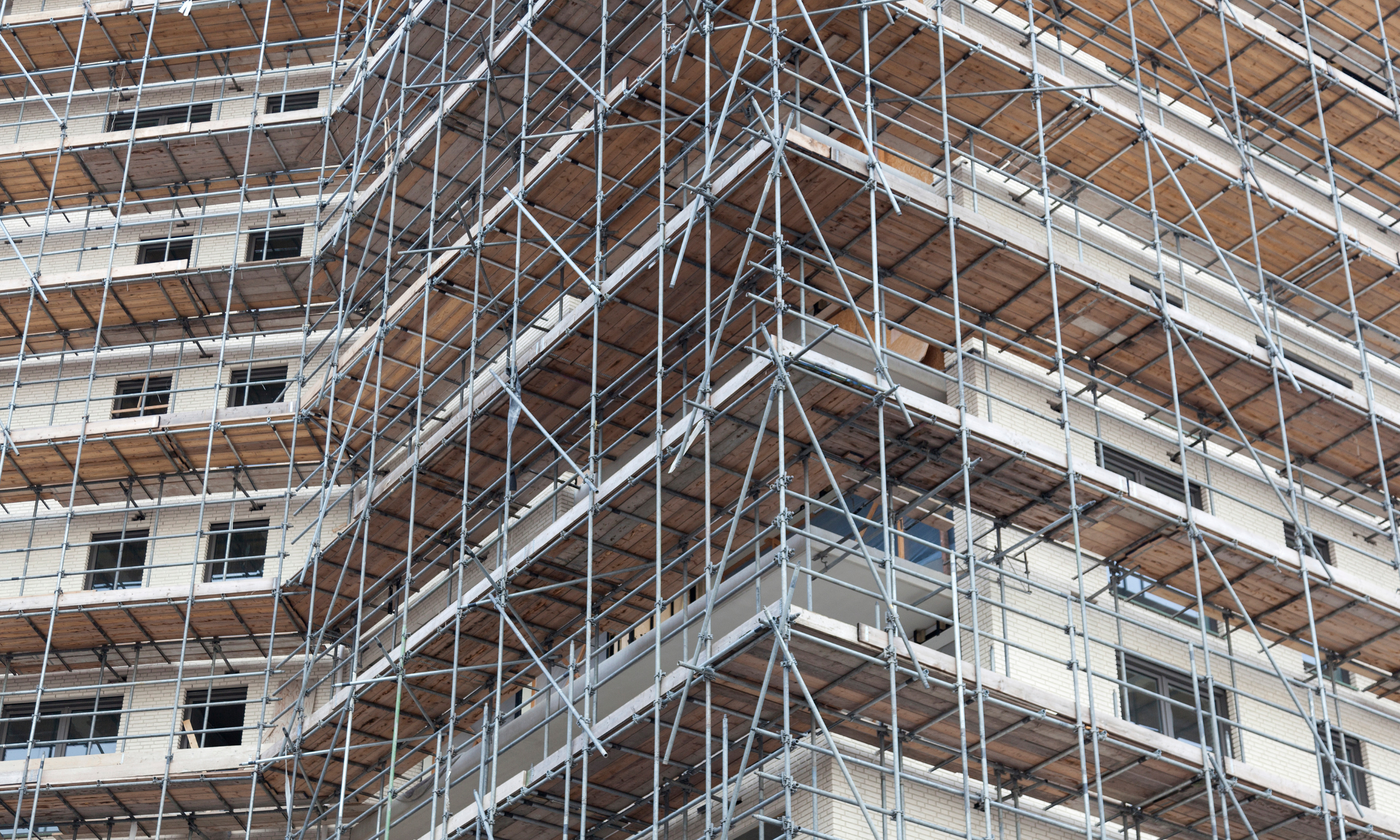
Why scaffolding can be up for months
Cladding remediation is rarely a quick job. Once scaffolding is in place, unsafe materials are removed, replacement systems are installed, and each stage is inspected before the next one begins. Depending on the size of the building and the scope of works, scaffolding may stay up for several months or longer.
Every project is different, so the most reliable source of timings is your own project team. If you haven't seen a programme for your building, ask your managing agent or RTM company for one. Knowing roughly when each elevation will be finished makes the whole process feel more manageable.
Bring more light into your home
Scaffolding and protective wrap can noticeably reduce the daylight reaching your rooms. It's one of the things residents mention most often.
A few simple changes help:
Switch to brighter bulbs. Daylight or cool white bulbs make darker rooms feel far more open, particularly in the rooms you use most during the day.
Move your workspace. If you work from home, set up your desk as close to the window as you can.
Use mirrors. A mirror placed opposite or beside a window spreads the light that does get through.
Keep windows clean on the inside. It sounds like a small step, but with less light available, it makes all the difference.
Keep your privacy
Having people working just outside your window takes some getting used to. Privacy is easier to protect when you put measures in place before works reach your floor.
Frosted window film is inexpensive and simple to apply. It lets daylight in while keeping you out of view. Sheer or voile curtains do a similar job and are easy to take down once the scaffolding comes off.
It's also worth asking your project team how residents will be told when work is happening near their homes. Many projects share weekly updates or a rolling schedule, so you know when to expect activity outside your windows.
Plan your day around working hours
Noise is part of any remediation project, but it doesn't have to take over your day. Find out the site's working hours and plan around them where you can.
If you work from home, try to book important calls outside the busiest periods, or have a quieter space in your home you can move to. If you have young children, it can help to plan naps and quiet time around the site schedule. Save your own noisy jobs, like hoovering or DIY, for when the site is already busy.
Headphones or earplugs are a simple option for the days when concentrating is harder.
Clear your balcony before access closes
Balconies are often closed during works, sometimes for long periods. Once access is restricted, getting to anything left outside becomes difficult.
Before works start, bring in:
plants and planters
outdoor furniture and cushions
bikes, storage boxes and anything else kept outside
washing lines, decorations and lighting
It saves a last-minute rush and means your belongings are protected from dust and debris.
Keep air moving & manage condensation
With windows opened less, condensation can build up indoors, particularly during the colder months. Over time, this can lead to damp and mould if it isn't managed.
Some practical habits help:
Air rooms once works finish for the day, where your windows allow.
Wipe down your windows and sills each morning.
Use extractor fans when cooking or showering, and keep lids on pans.
Dry clothes in a well-ventilated room where possible, rather than on radiators.
Keep furniture slightly away from external walls so air can circulate.
If you notice damp or mould appearing, report it to your managing agent or landlord early. It's much easier to resolve when it's caught quickly.
Know your building's fire safety arrangements
While works are underway, some fire safety arrangements in your building may change temporarily. It's worth making sure you know what applies to you.
Check which evacuation strategy is in place for your building, whether that's "stay put" or simultaneous evacuation, and keep escape routes and communal areas clear. The London Fire Brigade's advice for residents in buildings undergoing remediation is a helpful guide, wherever in the country you live.
If you're not sure what your building's strategy is, your managing agent or building owner should be able to tell you.
Stay connected with your neighbours
A residents' WhatsApp group or noticeboard is one of the simplest ways to make living with scaffolding easier. Neighbours can share updates, flag issues together, and help each other out, whether that's taking in a parcel or passing on news from the project team.
It also means concerns are raised consistently, which tends to get a quicker response than lots of individual messages. And it's a reminder that you're not dealing with all of this alone.

Look after yourself too
Living in a building going through remediation can be tiring, even when you know the works are for the right reasons. It's normal to find the disruption wearing, particularly over a long programme.
Where you can, spend time outside your home. A walk, a café or a change of scenery can make a real difference on days when the flat feels closed in.
Knowing who to speak to
Clear communication makes a real difference to how residents experience remediation. Many projects appoint a Resident Liaison Officer as a day-to-day contact for residents. Your managing agent or RTM company should be able to point you to the right person.
On government-funded projects, applicants are expected to take reasonable steps to minimise the impact of works on residents. You can read more in the Cladding Safety Scheme overview on GOV.UK.
As Client Representative, Archway FM oversees remediation on behalf of the building, from funding through to final sign-off. On the projects we manage, making sure residents know what to expect and who to speak to is part of the job.
Frequently asked questions
How long will scaffolding be up during cladding remediation?
It varies by building. The size of the building, the scope of works and the number of elevations involved all affect the programme. Your managing agent or project team should be able to share an expected timeline for your building.
Can I open my windows while scaffolding is up?
In many cases, windows can still be opened, but access may be restricted at certain stages of the works. Your project team can confirm what applies to your home and for how long.
Will I be able to use my balcony during works?
Balconies are often closed while works take place nearby. Ask your project team when access will change and when it's expected to reopen.
Who do I contact if I have a problem during the works?
Start with your managing agent, RTM director or the project's Resident Liaison Officer, if one has been appointed. They can raise issues with the project team on your behalf.
Questions about your building?
If your building is heading into remediation and you'd like to understand what's ahead, get in touch with Archway FM. We are happy to talk it through.