
A Step-by-Step Guide: How Building Owners Can Access Government Funding for Cladding Remediation
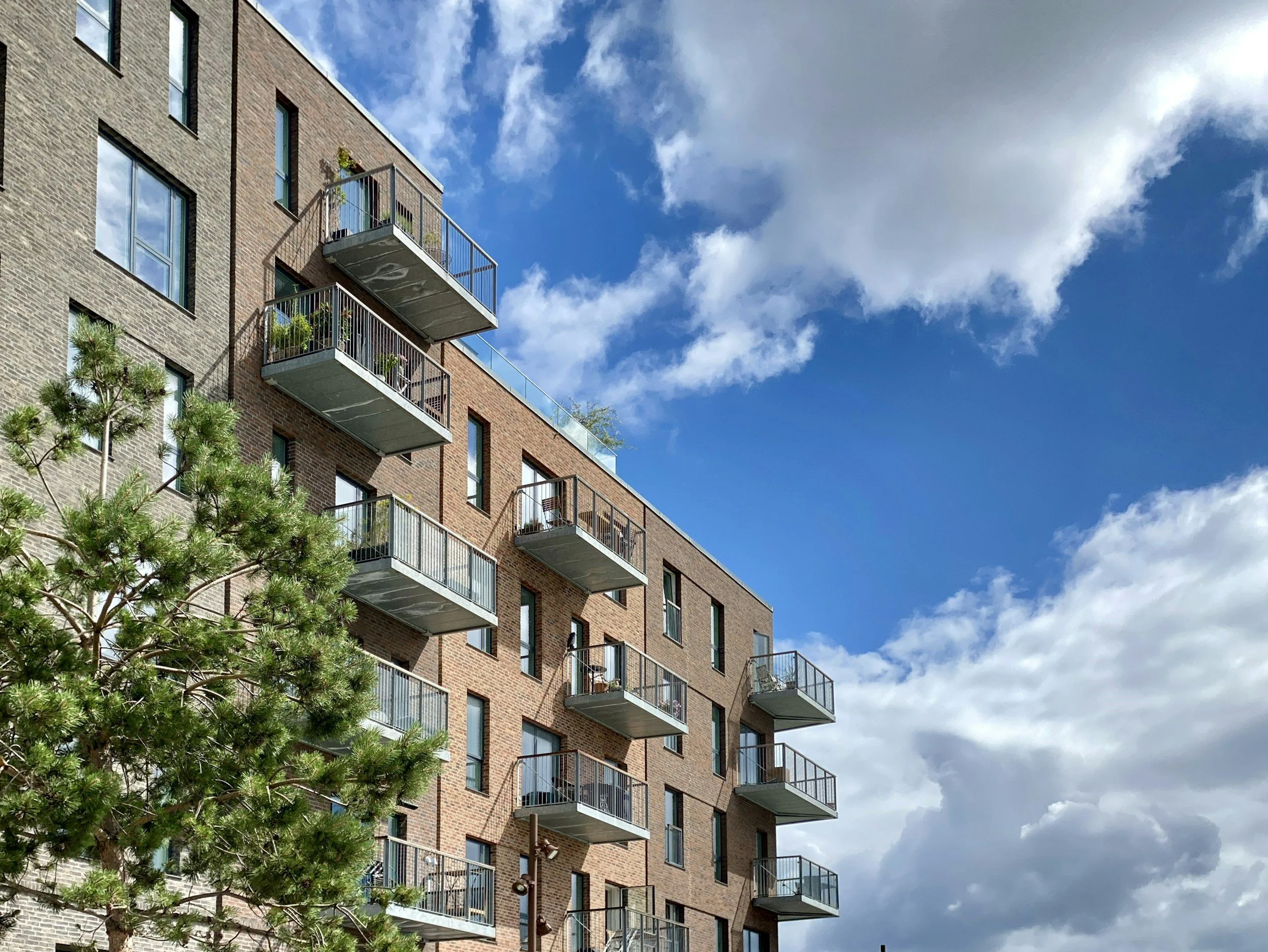
Above: Many residential buildings across the UK are now accessing government funding to remediate faulty cladding.
Understanding Government Funding
Across the UK, thousands of residential buildings have been identified with unsafe cladding. For RTM companies and freeholders, the responsibility to act is clear. However, for many, the route to remediaiton can feel complex and unfamiliar, especially without a background in construction.
One of the first worries clients usually express to us is regarding the cost. While the process itself can feel technical and daunting, it's the fear of facing significant financial exposure that often weighs the heaviest.
However, government funding for cladding remediation is available for eligible buildings, and when accessed correctly, remediation can actually be delivered at zero cost to freeholders. In fact, we’ve helped to deliver fully safe, remediated homes back to over 500 clients at zero cost to them.
Whether you’re a building owner or part of an RTM company, this guide will break the process down into clear, manageable steps, helping you understand how to access funding and move your remediation project forward with confidence.
What Government Funding is Available for Cladding Remediation?
The UK Government previously operated two separate schemes to support cladding remediation funding in England. However, since 2025, these routes have been consolidated under a single framework: the Cladding Safety Scheme.
The Cladding Safety Scheme (CSS)
While previously the Cladding Safety Scheme (CSS) was the funding route for buildings in England between 11-18 metres (classified as medium-rise), it now extends to cover all developments, even high-rise buildings (18+ metres).
Acting as the primary funding route for all new funding applications, the CSS is designed to protect leaseholders from remediation costs. It funds both the removal and replacement of any unsafe external wall systems, bringing buildings up to date with all current regulations.
The Building Safety Fund (BSF)
The Building Safety Fund (BSF) was opened by the UK government in 2020 to provide funding for the remediation of unsafe cladding on buildings in England over 18 metres. However, as of September 2025, this scheme has been closed, with all applications submitted after this date being processed through the above Cladding Safety Scheme, which has streamlined the funding route under one central framework.
If your building is over 18 metres and you were previously advised to apply through the BSF, please do not be alarmed. The Cladding Safety Scheme carries forward the same objectives and will be able to provide funding support to remediate the unsafe cladding on your building.
Who is Eligible for Cladding Remediation Funding?
All applications submitted to the Cladding Safety Scheme must be made by a representative or the responsible entity of the building you’re applying for. That could be any person who has legal responsibility for the repair and maintenance of the building, whether that’s the freeholder, head leaseholder, RTM/RMC or local housing association.
In terms of eligibility, the building itself must be over 11 metres, have a residential occupancy and have evidence of fire risk. To confirm this, a professional risk assessment (known as a FRAEW) will be carried out.
If you’re unsure if your building is applicable, you can reach out to us here for a free consultation. Or, check out the Homes England ‘Tell Us Tool’ to provide them with information about your building.

Above: Buildings over 11 metres are welcome to apply to the Cladding Safety Scheme.
Step-by-Step: How to Access Government Funding for Cladding Remediation
Step 1: Conduct an Initial Building Assessment
Before submitting a funding application, to ensure that your building is eligible, it must undergo a visual inspection and then, where required, an intrusive survey, otherwise known as a Fire Risk Appraisal of External Walls (FRAEW).
The FRAEW determines whether the cladding presents a fire risk and assigns a risk rating. If the building receives a rating that indicates elevated or unacceptable fire risk, remediation will be required. The FRAEW also identifies the scope of the remediation required and helps establish the estimated cost of works. Without evidence of a technical assessment, your funding application will not be able to progress.
Clients can get in touch with us for a visual survey, and if we feel they meet the funding criteria, we will arrange the FRAEW on their behalf, so you don’t have to worry about coordinating contractors yourself.
Step 2: Prepare and Submit the Initial Funding Application
Once the FRAEW confirms that remediation is required, the next step is to prepare the initial funding application. This includes gathering the FRAEW documentation and any supporting technical documentation, theproposed remediation strategy and cost estimates, as well as demonstrating evidence of leaseholder engagement.
Accuracy at this stage is critical. Incomplete or inconsistent submissions are one of the most common causes of delay in cladding remediation funding applications.
When working with us, we remove this burden entirely. Even before the initial funding assessment comes through, Archway FM will cover the cost of the FRAEW to ensure that our clients are never left out of pocket. Our director will also personally gather all of the information, liaising with clients directly and submitting all of the funding applications on their behalf to ensure that everything runs smoothly.
Step 3: Secure Pre-Tender Support Funding
If the initial funding application is approved in principle, Pre-Tender Support (PTS) funding will be granted. This allows you to process and plan work by appointing a design team and developing more detailed remediation plans.
When working with Archway FM, we will prepare all of the tender documentation and undertake any Gateway Submissions (these are essentially regulatory check-points to ensure that all proposed works meet all safety, compliance, and documentation standards before progressing to construction), as required by the Building Safety Act.
This step essentially transforms the project from concept into a deliverable construction plan.
Step 4: Submit the Full Funding Application
Once the design work has been finished, costs confirmed, and all relevant Gateway submissions have been completed, it’s time to submit the full CSS funding application. This updated application will include the finalised scope of works, legal confirmations, compliance documentation and full contractor pricing.
Full funding approval can typically take several months, depending on the complexity of the project and review timelines. However, when working with Archway FM, we remain proactive throughout. Rather than waiting for formal approval before progressing, we secure contractor availability in advance and take on the risk of fronting any necessary costs. This means that once funding is confirmed, works can commence without unnecessary delay.
Importantly, this proactive approach comes at zero cost to our clients, even if funding falls through (although to date we’ve achieved a 100% success rate with all applicable funding applications). Our goal is to remove the financial pressure and protect project momentum, ensuring remediation moves forward as efficiently as possible.
Step 5: Manage Remediation Works & Funding Drawdowns
Once full funding approval is secured, and the project officially kicks-off, we oversee the coordination of all works on site, working with our trusted framework of construction partners to get all works completed.
Archway FM provide full oversight throughout delivery, our director personally conducts regular site visits, reviews documentation, monitors quality, to ensure works are progressing in line with the approved scope, programme, and funding conditions.
Funding drawdowns are managed carefully at each stage to maintain compliance and financial control. And, just as importantly, we remain in close contact with our clients throughout. We understand that remediation projects can feel disruptive, so clear, consistent communication is essential. We provide updates, answer questions, and offer reassurance at every step.
Our involvement continues right through to final inspection and certification. Once works are complete and compliance is confirmed, we personally hand over the updated EWS1 certificate, signifying that the building has been fully remediated and made safe.
With one-to-one support from our director throughout the entire journey, clients are never passed from team to team or left wondering what happens next. From funding to final sign-off, we remain the accountable single point of contact for clients to help deliver a safe, compliant outcome.
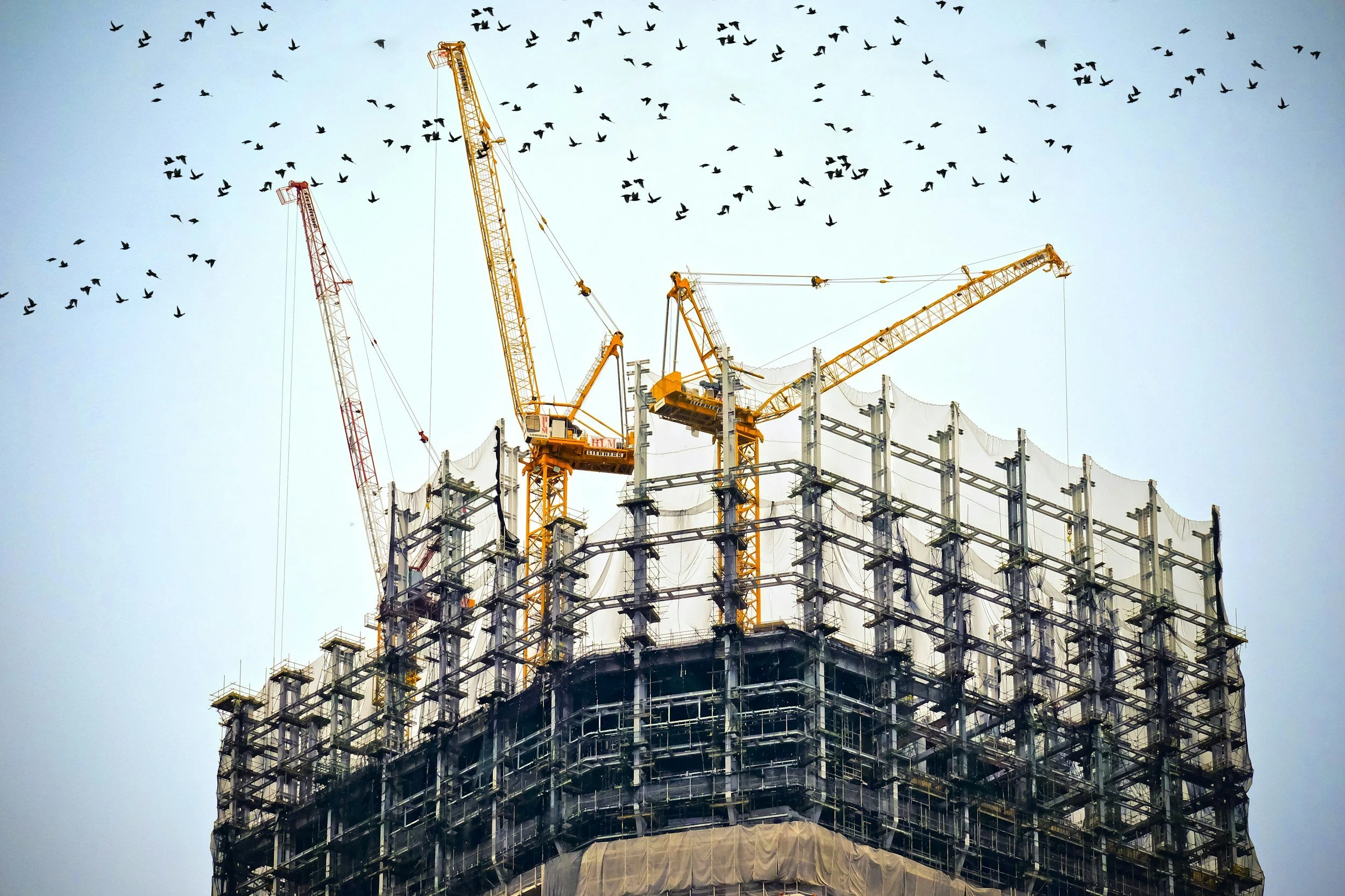
Above: Remediation projects can be daunting, Archway FM are here to support at every stage, from funding to completion.
How Archway FM Supports Clients' Access Government Funding
With years of experience securing cladding remediation funding and delivering fully compliant outcomes, we can still understand that for many building owners and RTM companies, the process can still feel complex and unfamiliar. Our role is to make it clear, structured, and manageable.
From the initial assessment, right through to final EWS1 certification, we guide clients step by step, coordinating technical specialists, managing funding applications, and overseeing delivery with complete transparency. Our mission is simple: remove uncertainty, establish safety, and restore your peace of mind.
You’ll never be left navigating the process alone. Every client works personally with our director, providing a consistent, accountable point of contact throughout the entire journey. If you have a question at any stage, you can call or email us directly to receive clear, informed guidance.
Taking the Next Step
If you are ready to learn more and make the first step towards a fully-compliant building, don’t hesitate to reach out to us here, or simply call us on 02076833701 for a free consultation. You can even click below to access a free funding checklist to help you stay on track.
From funding to finish, we’re here to guide you every step of the way.